
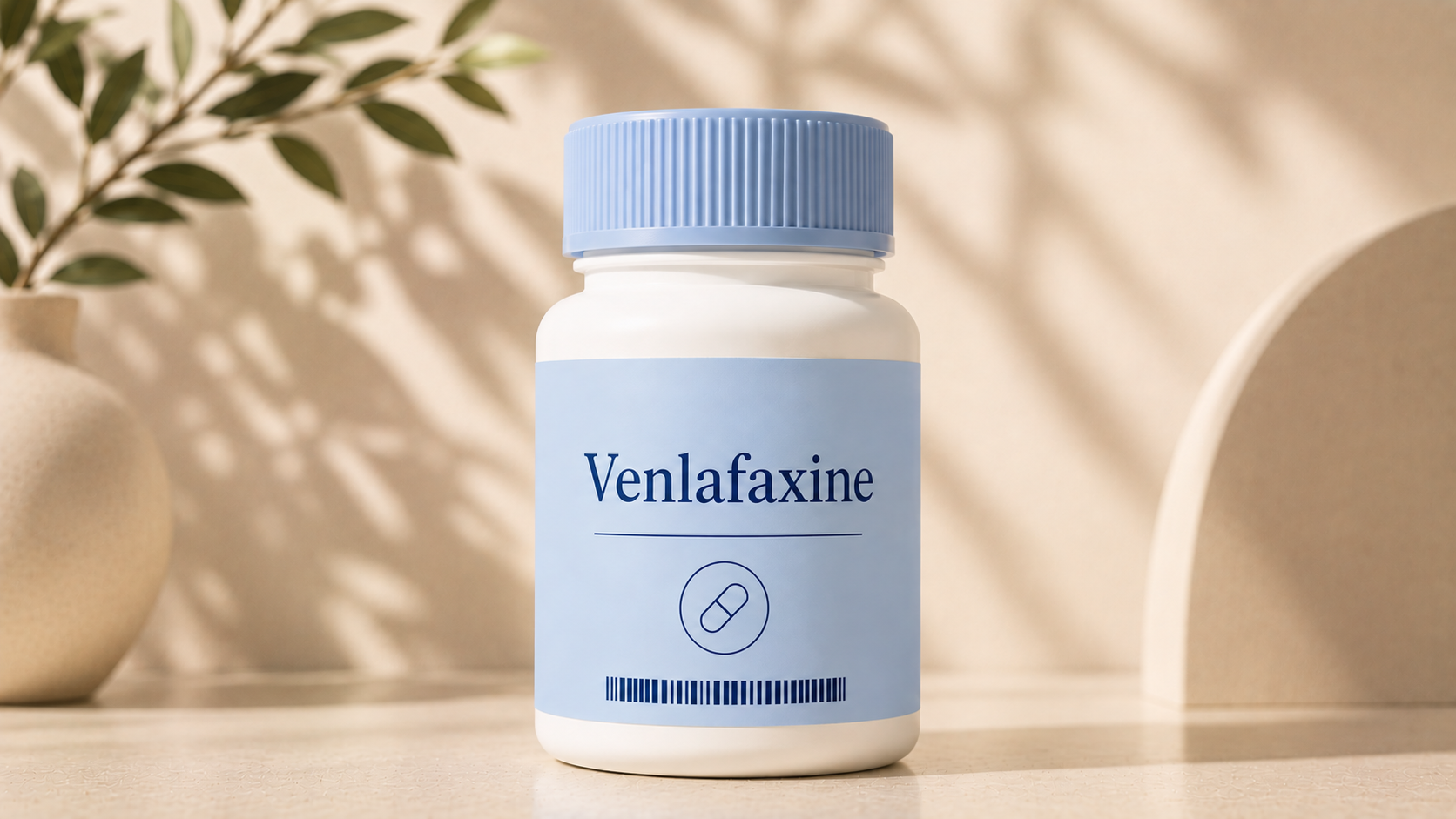
Effexor
(Venlafaxine)
Effexor is an SNRI — its active ingredient, venlafaxine, increases both serotonin and norepinephrine in the brain. It is effective for depression, generalised anxiety, panic disorder, and social anxiety, and is often used when an SSRI alone has not been enough.
Most clients pay around $25 per session with insurance.






Effexor is frequently chosen when both mood and anxiety symptoms need to be addressed, or when someone has not responded fully to an SSRI. It is available in extended-release form (Effexor XR), which makes once-daily dosing straightforward and reduces side effects.
Getting help shouldn't be hard
Getting started with therapy and medication support at Salam Space is easy and personalized.
Book a free 15-minute consult
Tell us a little about what's going on. No pressure, no commitment, just a conversation.
Meet your psychiatrist
Connect with a licensed provider via video or in person in Texas.
Attend ongoing sessions
Flexible, personalized care built around your goals, your faith, and your life.

Meet the psychiatrists you'll actually talk to.

Licensed. Experienced. Genuinely understanding of Islamic values and Muslim community life.
Komal Nathani
MD, Psychiatrist
Dr. Nathani works with clients on medication management that considers both clinical need and personal values, including conversations around fasting, stigma, and family concerns about psychiatric care.

Adam Butera
MD Psychiatrist
Dr. Butera provides thoughtful psychiatric evaluations and medication management, taking each client's full life, including their faith and values, into account when building a treatment plan.
Real questions. Honest answers.
-
Effexor (venlafaxine) is FDA-approved for major depression, generalised anxiety disorder, social anxiety disorder, and panic disorder. It is also used off-label for PTSD and chronic pain.
-
Effexor also increases norepinephrine, which can help with energy, concentration, and pain — areas where SSRIs alone sometimes fall short.
-
Nausea, headache, increased blood pressure, sweating, and dry mouth are common. Nausea usually fades after the first couple of weeks.
-
At higher doses, Effexor can raise blood pressure. Your psychiatrist will monitor this, especially early in treatment.
-
Effexor has a shorter half-life and discontinuation can be more noticeable than with some other antidepressants. Always taper slowly under medical guidance — do not stop abruptly.
-
Most people notice early changes within 2–4 weeks. Full effects are usually felt by week 6–8.
-
Yes — many people take Effexor for years safely. Regular check-ins with your psychiatrist will track blood pressure and overall wellbeing.
-
Book a free consult. Our psychiatrists will determine whether Effexor is the right fit and walk you through the starting process.