
Safe Spaces for Muslims in Therapy: Healing Without Judgment or Explanation
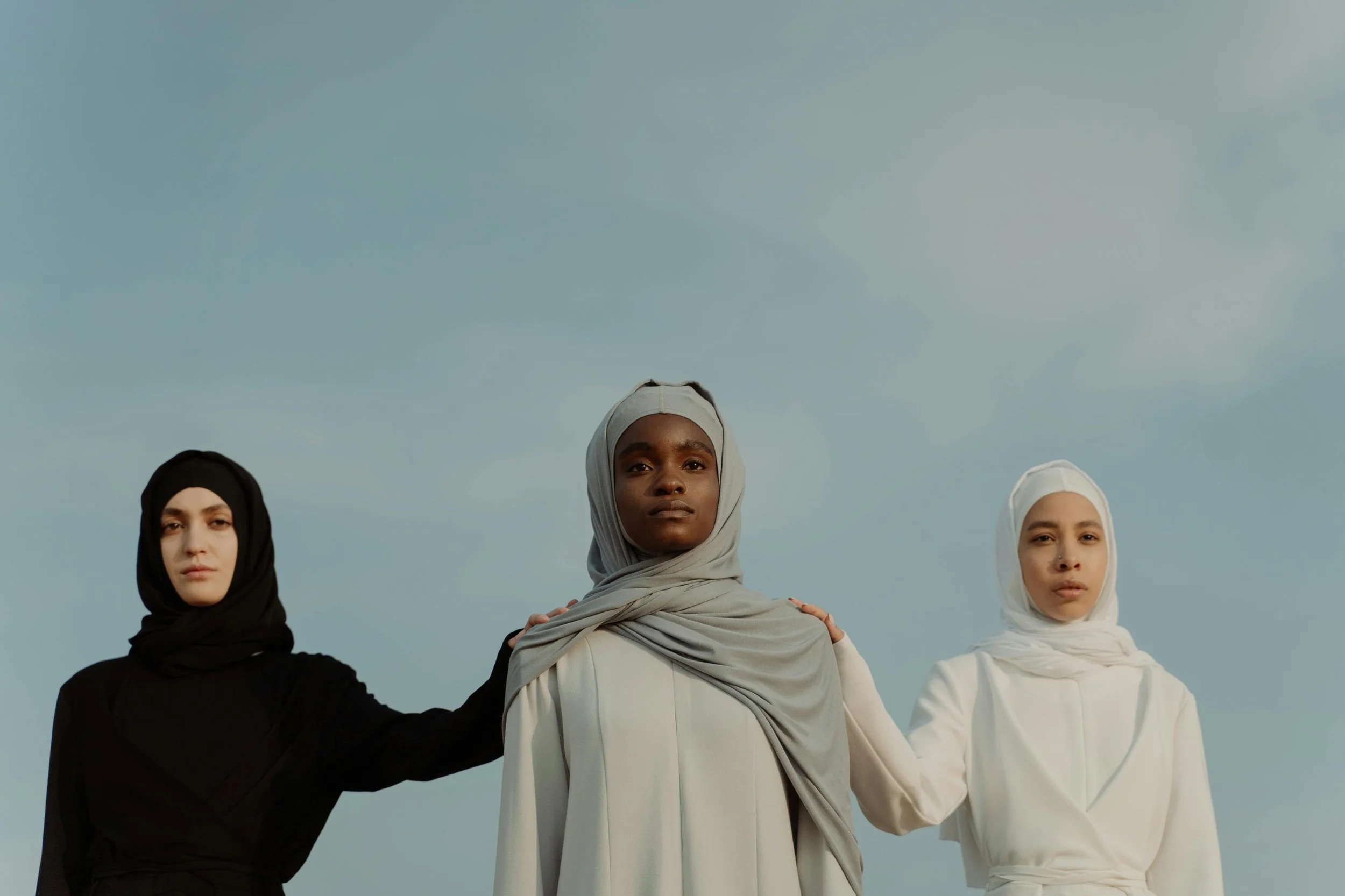
For many Muslims, therapy begins with a calculation that happens long before the first appointment is booked. What do I explain? What do I hide? How much of myself is safe to bring into this room? Will I have to translate my culture? Will I need to defend my faith? Will I be misunderstood before I am even heard?
These questions do not come from anxiety alone. They come from lived experience.
In a world where Muslims are often asked to represent, justify, or soften their identities, the idea of sitting across from a stranger and unpacking the most vulnerable parts of the self can feel exhausting before it even begins. Therapy is supposed to be the place where you finally rest your armor. Yet for many Muslims, it becomes another space where they have to stay alert.
This is why safe spaces in therapy matter. Not as a trend. Not as branding. But as a psychological necessity.
A safe space is where healing does not require translation.
What “Safe Space” Actually Means in Mental Health
The phrase “safe space” is often misunderstood as a place where nothing uncomfortable is discussed. In therapy, it means the opposite. It is a space where difficult truths can surface without fear of being judged, minimized, exoticized, or misunderstood.
Safety in therapy does not mean agreement. It means respect. It means curiosity without suspicion. It means being allowed to speak freely without having to pre-edit your story for cultural digestibility.
For Muslims, safety often includes knowing that your therapist will not treat your faith as a symptom, your family structure as dysfunction by default, or your values as obstacles to growth.
It means you can say “my parents would never accept this” without being told to simply cut them off. It means you can speak about guilt without being shamed. It means you can bring God into the room without being met with awkward silence.
In a truly safe therapeutic space, identity is not something you must defend. It is simply part of the landscape of your healing.
The Quiet Burden of Constant Explanation
Many Muslims enter therapy already tired.
Tired of explaining why alcohol is not part of their social life.
Tired of clarifying that modesty is a choice, not repression.
Tired of answering questions about whether their parents forced religion on them.
Tired of being asked to speak for a billion people.
This constant explanation creates what psychologists call identity fatigue. It is the emotional exhaustion that comes from repeatedly having to justify who you are in spaces that claim to be neutral but are shaped by a dominant cultural lens.
In therapy, this fatigue can interfere with progress. Instead of focusing on grief, anxiety, trauma, or relationships, the session becomes a quiet lesson in cultural education.
You are no longer just a client. You become the syllabus.
True healing struggles to unfold in that dynamic.
Why Many Muslims Delay or Avoid Therapy
Research consistently shows that Muslim communities underutilize mental health services despite experiencing comparable, and often higher, levels of stress, trauma, and anxiety than the general population. The reasons are layered.
There is stigma within the community, yes. But there is also fear of being misunderstood outside of it.
Some fear being judged for their faith.
Some fear that family dynamics will be misread as pathology.
Some fear that spiritual coping will be dismissed as denial.
Some fear that confidentiality will not be respected in culturally small circles.
And many fear that their most intimate struggles will be filtered through stereotypes that already exist in society.
So they wait. They cope alone. They spiritualize their pain when what they need is space to process it psychologically. They tell themselves to be stronger. To pray more. To endure.
Endurance, however, is not the same as healing.
Healing Without Judgment or Explanation
There is a unique kind of relief that comes from sitting across from someone who already understands the rules of your inner world.
You do not have to explain why dating feels complicated.
You do not have to justify why certain boundaries matter deeply.
You do not have to teach what Ramadan does to your routine or your nervous system.
You do not have to translate family loyalty, honor, or responsibility.
You simply speak.
When explanation falls away, emotional depth emerges faster. The session shifts from surface-level clarification to actual transformation.
This is what healing without judgment or explanation looks like. It feels lighter. It moves deeper. It allows you to be seen without being scanned.
A therapist who understands Muslim cultural dynamics does not assume that faith is either the cure or the cause. They understand that spirituality, like psychology, can be both a resource and a site of struggle.
Faith and Mental Health Are Not Opposites
One of the most damaging myths many Muslims absorb is the idea that seeking therapy means their faith is weak.
This false binary between spirituality and psychology keeps countless people suffering in silence. It teaches them that prayer should replace processing. That patience should replace boundaries. That endurance should replace self-compassion.
But faith and mental health have always coexisted in human history. Spiritual practice can anchor the soul. Therapy can untangle the mind. One does not cancel out the other.
In healthy integration, faith becomes a grounding force during emotional work. It informs values, meaning, and identity. Therapy becomes the space where wounds are examined with clarity and care.
The two can work together with depth and dignity.
The Importance of Cultural Humility in the Therapy Room
Cultural competence is not memorizing facts about Islam. It is practicing humility.
It is the therapist’s willingness to say, “I want to understand your world as you experience it” rather than “I already know what this means.”
It is asking open questions without attaching assumptions.
It is recognizing how racism, Islamophobia, immigration stress, and intergenerational trauma shape the nervous system.
It is understood that many Muslims live with a dual consciousness, one foot in tradition and one in modern Western life.
A culturally attuned therapist does not reduce these tensions into simple categories. They explore them with nuance.
Why Representation in Therapy Changes Outcomes
When people see themselves reflected in the professionals meant to help them, trust grows faster. This is not about sameness of belief. It is about the resonance of experience.
A Muslim therapist may intuitively understand why family approval feels existential. They may recognize how community gossip can feel suffocating. They may grasp how religious guilt differs from secular guilt.
This does not mean only Muslims can help Muslims. It means that shared cultural frameworks can reduce friction and accelerate trust.
And trust is the soil where healing grows.
Creating Safety Is an Ethical Responsibility
For mental health platforms serving Muslims, safety is not optional. It is a responsibility.
This means honoring confidentiality fiercely.
It means training therapists in cultural sensitivity.
It means allowing clients to define what modesty, boundaries, and spirituality mean for them.
It means never forcing a Western individualistic model onto collectivist values without discussion.
Safety is not about shielding clients from hard truths. It is about delivering those truths within a context of respect.
What It Feels Like to Finally Be Understood
Clients often describe culturally safe therapy with quiet emotion.
“I did not have to explain myself.”
“I did not feel like a problem.”
“I did not feel invisible.”
“I did not feel judged for loving my family even when they hurt me.”
“I did not feel like my faith was on trial.”
These moments are not dramatic. They are subtle. But subtle does not mean small. For many, they are the turning point where real healing begins.
Therapy as a Space for Integration, Not Erasure
Safe therapy does not ask Muslims to become less Muslim to become mentally well. It helps them become more fully themselves without the weight of unresolved pain.
It allows integration rather than erasure.
You do not have to choose between faith and emotional health.
You do not have to sever your roots to grow.
You do not have to silence parts of your identity to be taken seriously.
In safe spaces, healing does not demand cultural exile.
A Quiet Invitation to Begin
Healing rarely begins with certainty. It begins with curiosity. A question that whispers rather than shouts.
What if I did not have to carry this alone anymore?
What if I did not have to explain myself to be understood?
What if I could be both faithful and emotionally honest in the same room?
A safe therapeutic space for Muslims is not about perfection. It is about permission. Permission to feel. Permission to question. Permission to heal without performance.
For those who have been waiting for a space where their mind, heart, and identity are all welcome, that space does exist.
And healing, when it arrives without judgment or explanation, has a way of feeling like coming home to yourself.